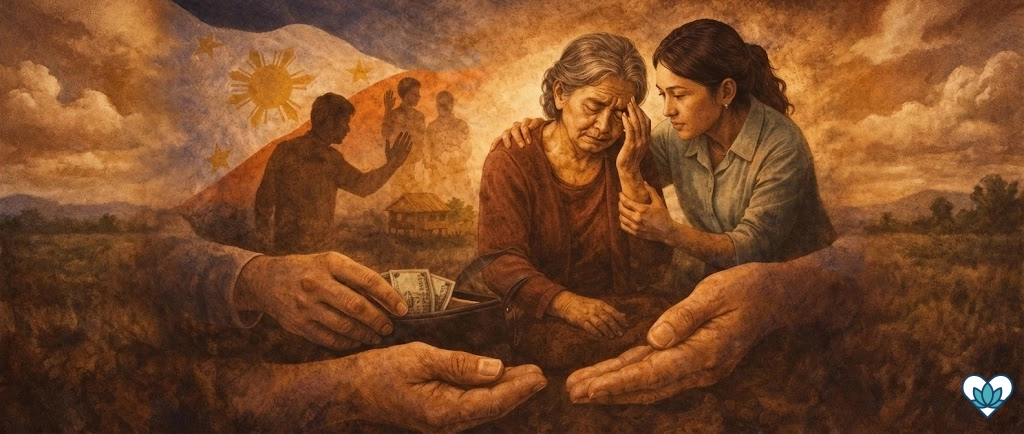
In many Filipino communities, elders are traditionally held in high regard. Phrases like “utang na loob” (debt of gratitude) and “galang sa matanda” (respect for elders) reflect deep-rooted cultural values of care and reverence. Yet behind this cultural ideal, a difficult truth remains: elder abuse exists, and it often goes unspoken.
Understanding, naming, and preventing elder abuse in Filipino families—whether in the Philippines or among the diaspora—is not a betrayal of tradition. It is, in fact, a restoration of it. Real respect cannot coexist with harm.
This article explores the types, causes, and prevention of elder abuse within Filipino communities, and offers culturally aware strategies to address it.
What Is Elder Abuse?
Elder abuse refers to any intentional or negligent act by a caregiver or trusted individual that causes harm or serious risk to an older adult. It includes:
- Physical abuse: hitting, slapping, restraining
- Emotional abuse: verbal attacks, humiliation, isolation
- Neglect: failure to provide basic needs, hygiene, medical care
- Financial exploitation: misuse of an elder’s money or assets
- Sexual abuse: non-consensual sexual contact
- Self-neglect: when the elder cannot or does not care for themselves due to mental or physical impairments
Elder abuse can happen in nursing homes, private homes, or multigenerational households. In many cases, family members are the perpetrators, often unintentionally due to stress, ignorance, or unresolved family dynamics.
Why It’s Hard to Talk About in Filipino Families
In Filipino culture, discussing family problems publicly is often discouraged. Hiya (shame), pakikisama (smooth interpersonal relationships), and utang na loob (reciprocal obligation) all function to maintain family cohesion—but they can also protect dysfunction.
Elder abuse becomes especially difficult to identify and stop when:
- The victim is reluctant to report abuse to avoid “causing trouble”
- The abuser is a family member, often an adult child or caregiver
- Financial dependence or physical disability increases isolation
- Culturally, obedience and silence are expected from both elders and their caregivers
- Community or church environments prioritize image over accountability
In some cases, elders may even justify mistreatment as deserved, especially if they feel they were once harsh or abusive themselves. Others may feel they’re a burden.
This cycle—of guilt, silence, and resignation—is part of the cultural trauma many families have inherited.
Elder Abuse in the Diaspora Context
Among Filipino families living abroad (e.g., in the U.S., Canada, or the Middle East), elder abuse may take on additional layers.
Some key factors:
- Language barriers prevent elders from accessing help or services
- Immigration dependency makes elders vulnerable to threats of deportation or abandonment
- Financial control by younger relatives isolates elders
- Cultural disconnect between Western eldercare norms and Filipino family expectations
- Lack of community support systems for Filipino seniors abroad
The result? Many Filipino elders are trapped in silence, unsure where to turn and ashamed to speak up.
Signs of Elder Abuse in Filipino Households
Because Filipino families may present as close-knit, abuse can be hard to detect. Pay attention to the following red flags:
- Unexplained bruises, cuts, or injuries
- Sudden withdrawal, anxiety, or depression
- Hygiene neglect or untreated medical issues
- Missing belongings or unpaid bills despite adequate income
- Fearfulness around a specific family member
- The elder is never allowed to speak alone or independently
- Caregivers seem overly controlling or defensive
Often, emotional abuse and neglect are the most prevalent forms—especially when elders are viewed as “difficult,” “senile,” or “too traditional.”
Root Causes in the Filipino Context
Understanding the cultural and systemic causes helps in creating solutions. Some common root factors include:
- Caretaker burnout: Adult children—especially daughters—often carry the burden of caregiving without financial or emotional support.
- Unresolved intergenerational resentment: Past parental abuse or strictness can create unconscious cycles of retribution.
- Financial stress: Economic hardship can lead to elders being viewed as burdens.
- Cultural normalization of suffering: Sacrifice is valorized, and elders may accept mistreatment as part of aging.
- Lack of education on elder rights: Many do not know that certain treatment qualifies as abuse.
Prevention: Restoring Care, Not Just Control
Prevention starts with reframing how we view elder care—not as an obligation, but as an opportunity to heal family systems and honor the full humanity of our elders.
1. Education and Awareness
Community education is key. Culturally relevant programs—offered in Tagalog or regional languages—can help families understand what elder abuse looks like and how to prevent it.
Faith communities, barangays, Filipino organizations, and healthcare workers all play a role in normalizing conversations around elder safety.
2. Family Communication and Healing
Many intergenerational issues in Filipino families stem from unspoken pain. Opening space for respectful dialogue, therapy, or mediation can help resolve underlying resentment or misunderstanding between elders and caregivers.
It’s important to break the cycle that says:
“I suffered, so now you owe me”
or
“They were harsh, so I don’t owe them care”
This isn’t about forced forgiveness—it’s about boundaries, repair, and clarity.
3. Support for Caregivers
Elder abuse is often a symptom of burnout. Adult children, especially immigrant caregivers, are overwhelmed.
Provide:
- Respite care options
- Peer support groups
- Access to eldercare education
- Financial assistance if possible
Supporting caregivers reduces abuse risk and preserves dignity for everyone involved.
4. Legal and Community-Based Resources
In many countries, elder abuse hotlines, legal services, and adult protective services exist—but Filipino elders may be unaware or afraid to access them.
Filipino-focused organizations can serve as bridges—offering translation, cultural navigation, and community-centered approaches that emphasize respect without hiding harm.
5. Reconnecting with True Cultural Values
Filipino culture offers rich traditions of respect, care, and communal responsibility. Abuse prevention isn’t a rejection of culture—it’s a return to its original values, before colonial systems distorted them.
True galang (respect) includes:
- Listening to elders’ needs
- Honoring their boundaries
- Creating systems where they are supported, not controlled
Final Reflections: A New Kind of Honor
Elder abuse prevention is not just a safety issue—it’s an act of cultural healing.
To love our elders is to see them as whole human beings—not burdens, not saints, not obstacles—but as individuals who deserve safety, connection, and voice.
Whether in the Philippines or abroad, we have the tools to make this possible: truth-telling, community support, cultural education, and reimagined care.
The old saying goes: “Ang hindi lumingon sa pinanggalingan, hindi makararating sa paroroonan.”
(He who does not look back to where he came from will not reach his destination.)
Let us look back clearly—not just with nostalgia, but with courage—and move forward with care.