Latest posts
-
Cultural Pressure, Systemic Stress, and Toxicity: A Comparative Look at Filipino, Filipino-American, and U.S. Social Patterns
Cultural practices and values do not exist in isolation. They develop as adaptive responses to historical conditions—colonization, migration, economic scarcity, institutional trust or its absence. What is often labeled as “toxic” behavior is more accurately understood as values under stress, expressed in environments very different from the ones that originally shaped them. This article offers
-
A Filipino-American Prevention Blueprint: Food, Lifestyle, and Natural Supports to Reduce Diabetes, Heart Disease, and Cancer Risk
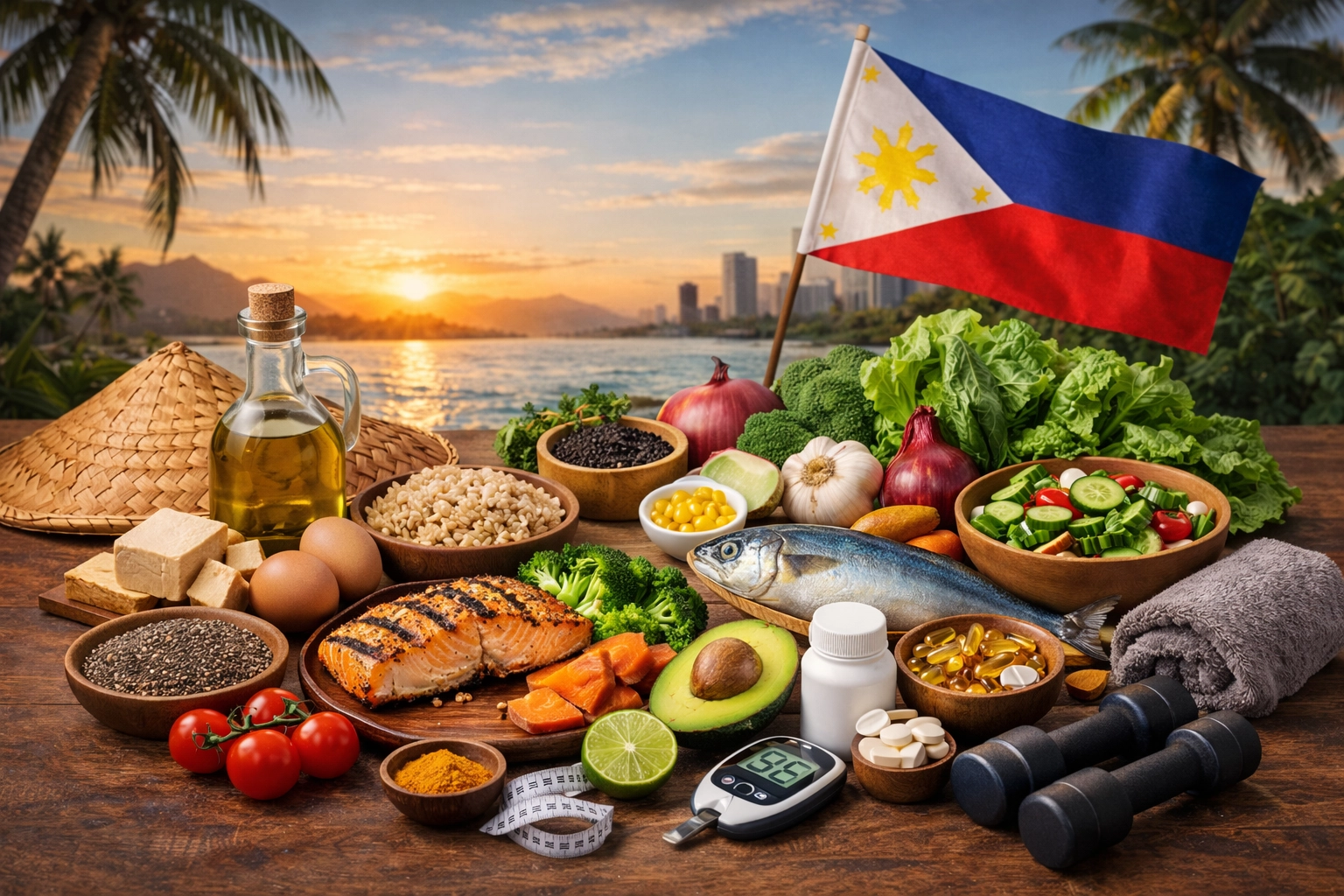
Filipino Americans carry a health burden few talk about clearly, even though the numbers show it: diabetes at younger ages, high blood pressure, fatty liver, heart disease, and certain cancers appear more often and earlier than in many other groups. This isn’t about blame. It’s about a mix of biology, shifting food patterns, and lifestyle
-
Toxic Filipino Traits: Trauma Responses, Narcissistic Defenses, and the Colonial Roots Behind Them
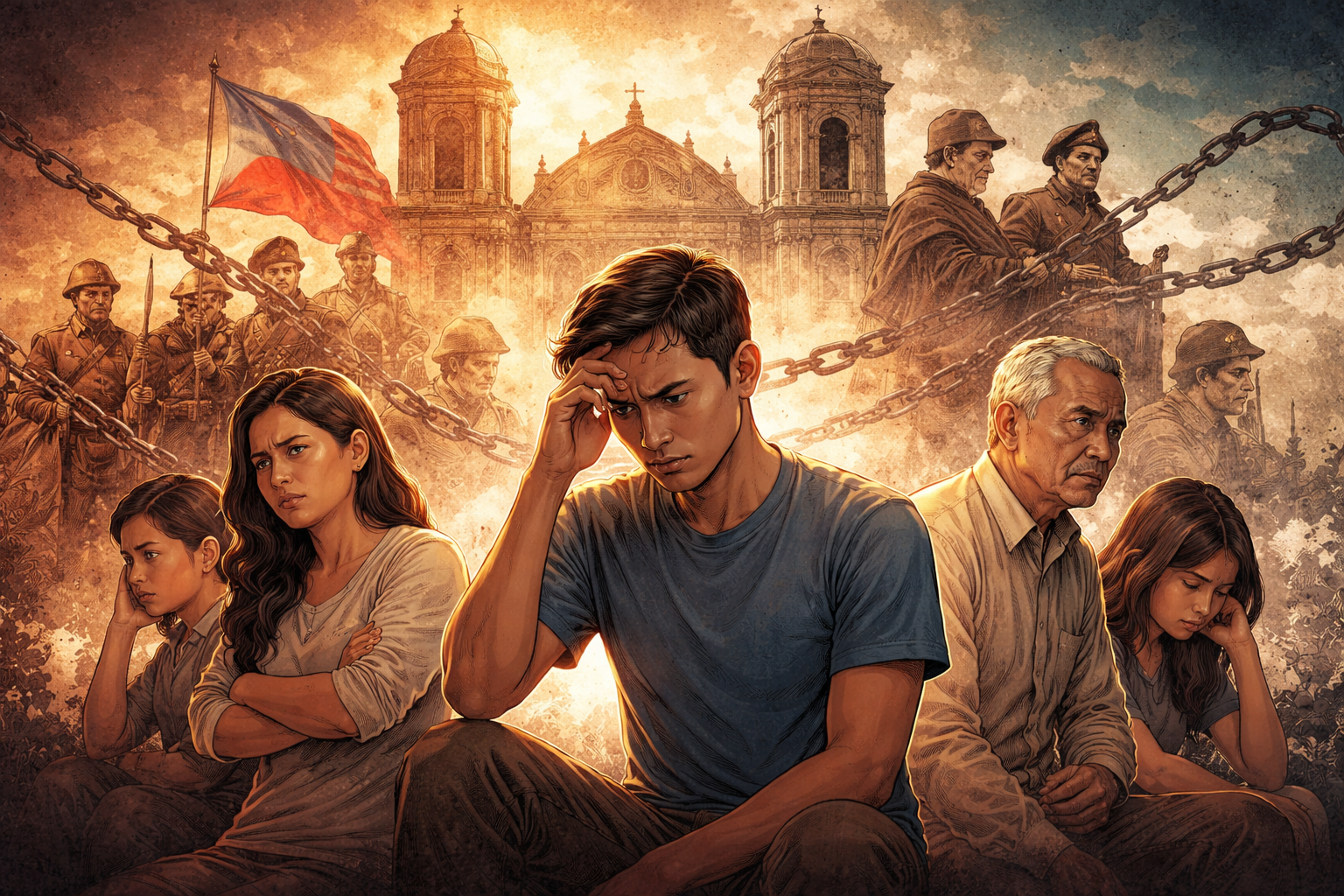
The phrase “toxic Filipino traits” appears frequently in online searches and discussions, especially among Filipinos and Filipino-Americans trying to make sense of recurring social and family dynamics. The term is emotionally charged, but it points to something real: patterns of behavior that cause relational strain, particularly around criticism, boundaries, and conflict. What’s often missing from
-
Ancestral Healing and Intergenerational Trauma

Many people grow up carrying emotions they can’t explain. A tendency to over-apologize, a fear of asserting themselves, a deep unease in their own skin—these aren’t always personal flaws. Often, they’re symptoms of something older: a pattern passed down through family systems, shaped by cultural history and collective wounds. This is where the conversation around intergenerational
-
Elder Abuse Prevention in Filipino Communities
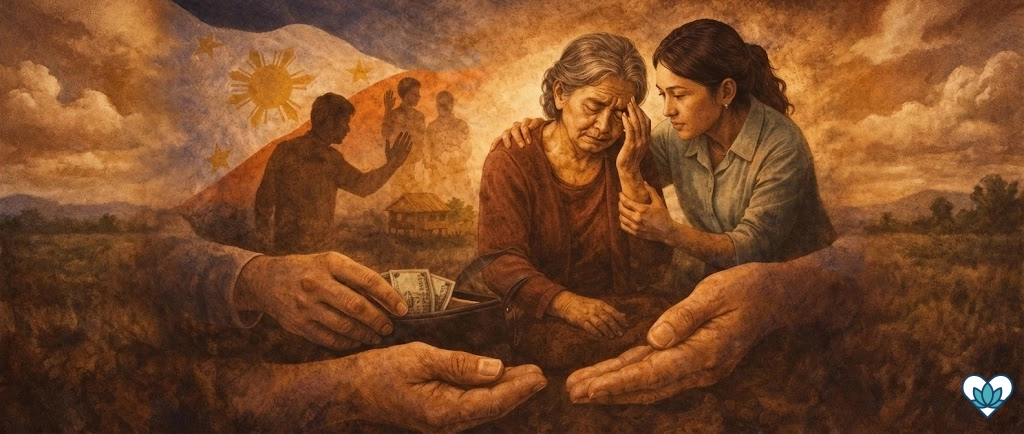
In many Filipino communities, elders are traditionally held in high regard. Phrases like “utang na loob” (debt of gratitude) and “galang sa matanda” (respect for elders) reflect deep-rooted cultural values of care and reverence. Yet behind this cultural ideal, a difficult truth remains: elder abuse exists, and it often goes unspoken. Understanding, naming, and preventing